Puppy Potty Training: When It Feels Like Your Puppy Just Isn’t Getting It
Why did my puppy wait until we came back inside to pee?
You stood outside. You waited. Nothing happened. Then your puppy came inside and peed on the floor. Let’s figure out why.
You take your puppy outside.
You stand there forever.
They pee.
You celebrate like they just won an Olympic medal, bring them back inside, and five minutes later they’re squatting on the rug.
This is usually the point where people start wondering whether their puppy is stubborn, confused, secretly plotting against them, or somehow the only puppy on earth who cannot figure out potty training.
They’re probably none of those things.
Potty training is frustrating because your puppy isn’t learning one simple rule called “don’t pee in the house.” They’re learning where to go, how long they can hold it, how to recognize the feeling early enough to do something about it, and eventually how to communicate that need to you.
And while they’re learning all of that, you’re trying to predict the bathroom habits of an animal who may have been alive for only two or three months.
So if this feels like a lot of work, that’s because it is.
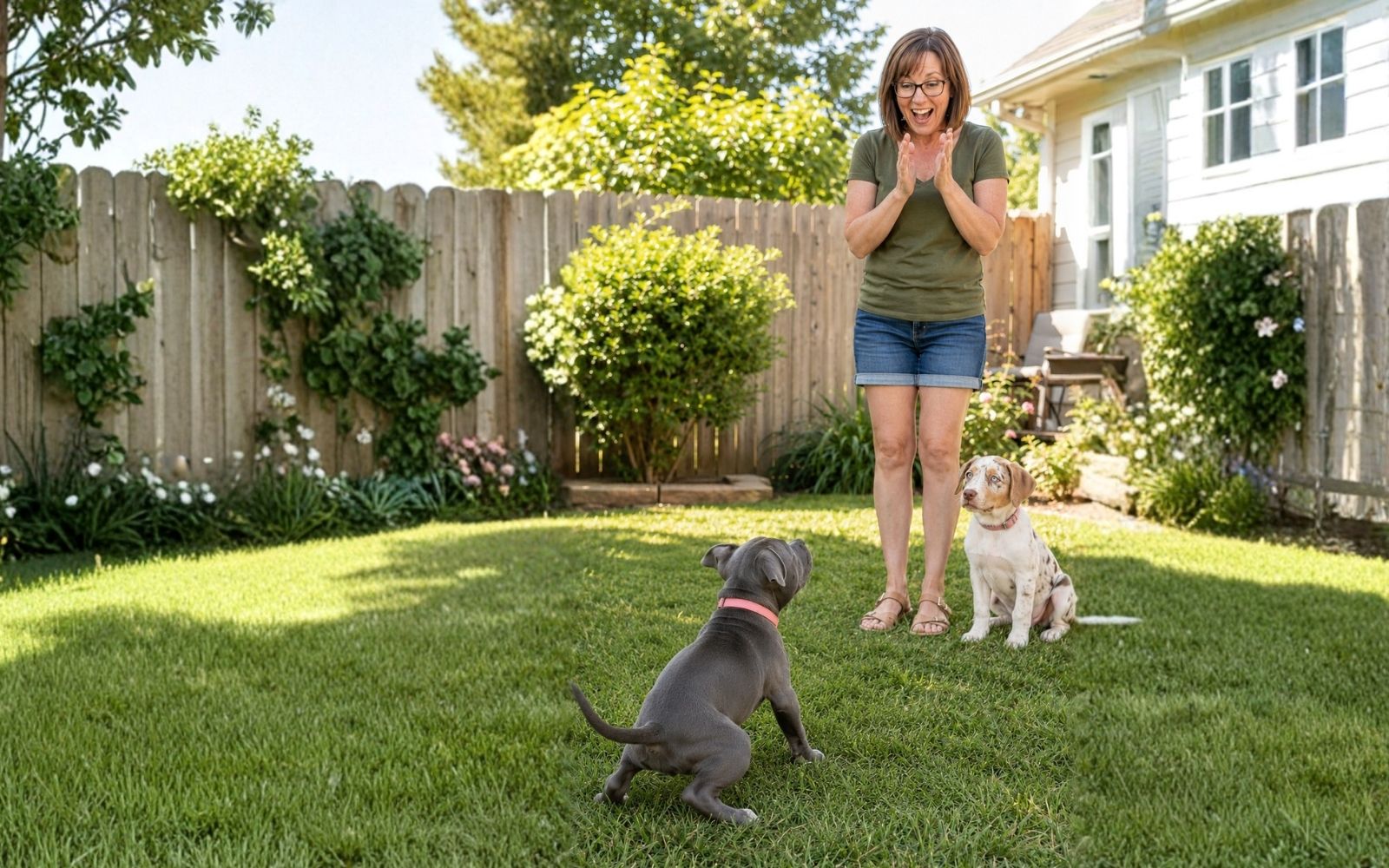
Potty training is mostly about getting there before the accident
One of the biggest shifts you can make is to stop thinking of potty training as something you teach after your puppy makes a mistake.
Most of the learning happens because you keep creating successful trips outside.
Your job for a while is to become annoyingly good at predicting when your puppy probably needs to go.
Young puppies commonly need potty opportunities when they wake up, after eating, after a big drink, after play, after time in the crate, and before bedtime. During active periods, some puppies may need to go surprisingly often.
That doesn’t mean you need to spend your life staring at a stopwatch.
It means you start noticing your puppy’s rhythm.
If they almost always pee fifteen minutes after breakfast, that’s useful information. If they poop after their morning zoomies, useful. If they wake up from every nap and immediately start sniffing the floor, very useful.
Potty training gets much easier when you stop waiting for your puppy to announce the problem and start getting ahead of it.
The reward needs to happen outside
This is such a small detail, but it matters a lot.
Take the treat outside with you.
When your puppy finishes pottying in the right place, reward them right there, within a second or two if you can.
Don’t wait until you’ve walked back through the house and reached the treat jar.
Dogs learn from what happens immediately after a behavior. If the treat appears after your puppy walks into the kitchen, the clearest thing they may have learned is that walking into the kitchen earns food.
The sequence you want your puppy learning is:
- Potty outside → good things happen.
Make that connection easy for them.
Why does my puppy pee outside and then pee again inside?
Because one pee doesn’t necessarily mean the tank is empty.
Puppies get distracted. They start sniffing something, hear a sound, see a leaf move, pee a little, and then decide that whatever just happened across the yard is much more important.
Then you assume the mission is complete, bring them inside, and suddenly they’re calm enough to finish what they started.
If this keeps happening, don’t immediately give your puppy full freedom after a questionable potty trip.
Stay outside a little longer. Keep the trip boring enough that pottying is the main event. If your puppy doesn’t go—or you’re not convinced they finished—bring them back inside under very close supervision or into their safe area for a short time, then try again.
Also remember that some puppies need to pee and poop during the same outing, and they may not do both at once.
Don’t let the first squat automatically end the trip.
Your puppy probably has more freedom than their potty training can handle
This is another really common problem.
Your puppy has three good days, so you think, Great, we’re getting it.
Then they suddenly have accidents again.
Often, potty training didn’t fall apart. The puppy just got more access to the house than they were ready to handle.
A puppy who stays near you in the living room may be easy to read. Give that same puppy access to the hallway, bedroom, and office, and now they can quietly wander away before you notice what’s happening.
Freedom should increase gradually as your puppy becomes reliable.
Until then, your puppy should generally be somewhere you can actually see them, attached to you with a lightweight leash when appropriate, in a puppy-safe area, or resting in the crate.
This isn’t about restricting your puppy forever.
It’s about not giving them a three-bedroom house to practice accidents in before they understand the rules.
Learn your puppy’s weird little potty tells
People often expect a puppy to walk to the back door and politely ask to go outside.
Eventually, maybe.
Early on, the signal may be much less impressive.
Your puppy might suddenly stop playing. They may wander away from you, start sniffing the floor, circle, pace, get strangely restless, head toward a previous accident spot, or disappear around a corner.
Some puppies don’t give much warning at all.
That’s why the schedule matters so much in the beginning. You may be taking your puppy out based more on what just happened—they woke up, ate, drank, or played—than on waiting for a clear signal.
Over time you’ll learn your particular puppy.
And once you do, potty training stops feeling quite so random.
What to do when you catch an accident happening
If you catch your puppy starting to potty inside, don’t turn it into a huge event.
Interrupt calmly and get them outside.
If they finish outside, reward them there.
What you don’t want is to scare your puppy badly enough that they learn, “Humans get upset when they see me pee.”
That can create a puppy who doesn’t stop having accidents—they just get better at sneaking away to have them somewhere you can’t see.
And if you discover the accident afterward, there’s nothing to correct.
Your puppy isn’t going to connect your frustration now with something they did ten minutes ago.
Clean it up and adjust the plan.
Clean the accident like it matters, because it does
A quick wipe with regular household cleaner may make the floor smell clean to you while still leaving enough scent behind for your puppy to recognize it as a bathroom.
Use an enzymatic or odor-neutralizing pet cleaner designed for urine and follow the directions on the product.
Dogs often return to places that still smell like previous elimination sites, so cleaning is part of potty training—not just housekeeping.
If your puppy keeps choosing the exact same rug or corner, smell may be part of the reason.
Still not seeing the pattern?
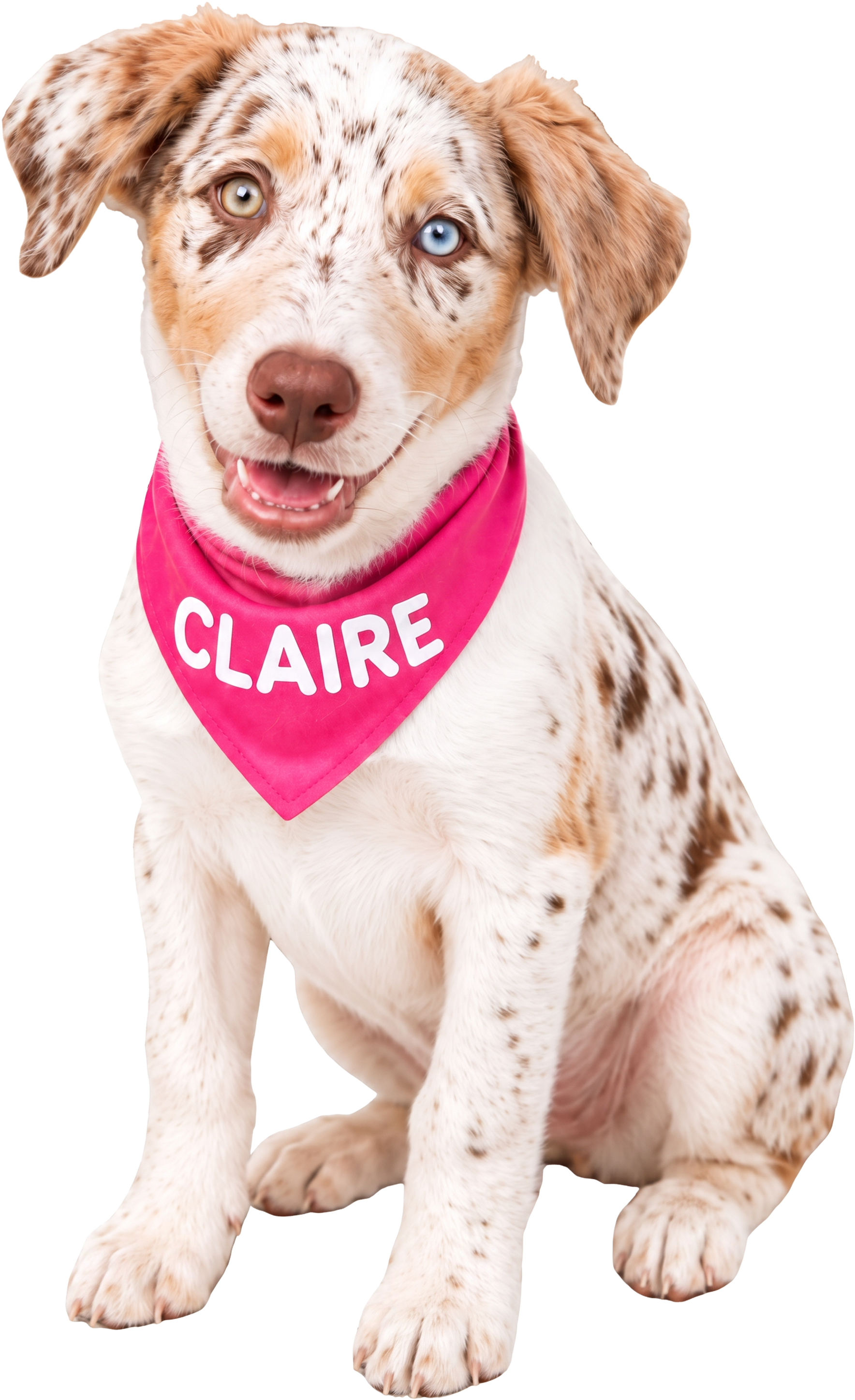
If you’re doing the schedule, rewarding outside, cleaning accidents properly, and your puppy still feels completely unpredictable, this is a good time to ask Claire. Tell her what’s been happening over the last few days and she can help you look for the pattern you may be missing.
Should you use puppy pads?
Sometimes they make sense.
If you live high in an apartment building, have mobility limitations, cannot safely use a public outdoor potty area yet, or genuinely need an indoor toilet option, pads can be useful.
But if your final goal is always outside, pads can sometimes make the lesson more complicated because now you’re teaching that eliminating indoors is allowed in one particular place and later asking the puppy to switch.
That doesn’t mean pads ruin potty training.
It just means you should use them because they fit your actual situation, not because someone told you every puppy needs them.
Don’t make outside fun end the second your puppy pees
This is one of those little things that can accidentally work against you.
Imagine that every time your puppy pees outside, you immediately say “Good!” and march them straight back into the house.
Some puppies figure out that pottying ends outside time.
So they start holding it while they sniff, wander, explore, and enjoy being outdoors.
Then eventually they come inside—and pee.
After your puppy goes, reward them and, when your schedule allows, give them another minute or two to sniff or enjoy being outside.
You want pottying outside to pay well, not end the party.
How often should your puppy go out?
There are plenty of charts online that make this look more precise than it really is.
Your puppy’s age matters, but so do activity, water intake, meals, sleep, excitement, and the individual puppy.
During waking hours, very young puppies may need opportunities every one to two hours plus additional trips after waking, eating, drinking, and playing. During high-energy periods, some need them even more frequently.
The popular “age in months plus one” rule sometimes gets used as if a three-month-old puppy should routinely be expected to wait four hours all day.
That’s too simplistic.
Maximum bladder capacity under ideal circumstances is not the same thing as a sensible potty-training schedule for an awake puppy who’s been drinking, eating, and playing.
Use your puppy, not a formula, as the final answer.
What about nighttime?
Young puppies may genuinely need overnight potty trips.
That is inconvenient, but it isn’t a training failure.
Sleeping puppies can usually hold it longer than active puppies, but some still need a middle-of-the-night trip for the first several months.
Keep nighttime trips boring.
Outside, potty, quiet praise, back to bed.
Two a.m. is not the time to accidentally start Puppy Nightclub.
When potty training suddenly goes backward
A setback does not automatically mean your puppy forgot everything.
First look at what changed.
Did you start giving more freedom? Did your work schedule change? Is the puppy drinking more because it’s hot? Are they distracted outside? Have you become less consistent because things were going well?
Sometimes the fix is simply going back to the tighter routine that was working.
But a sudden or persistent change can also be medical.
If a puppy who was doing well suddenly starts urinating very frequently, straining, having unusually large numbers of accidents, producing loose stool, drinking substantially more than normal, or otherwise seems unwell, contact your veterinarian.
Don’t keep treating a medical problem like a training problem.
Potty training gets easier when it stops feeling random
You don’t need your puppy to suddenly understand a complicated house rule.
You need enough successful repetitions for the pattern to become obvious to them.
Outside is where we potty. Pottying outside pays really well. Inside is supervised until you can handle more freedom.
And when there’s an accident, don’t spend the next hour wondering why your puppy did this to you.
Look at what happened before it.
How long had it been? Had they eaten? Had they just woken up? Were they distracted outside? Did they get more freedom than usual?
Those answers are much more useful than blaming yourself or your puppy.
Because most potty-training problems aren’t proof that your puppy isn’t learning.
They’re clues that the current system needs a little adjustment.
Raising My Puppy provides general puppy training and care guidance, not veterinary or behavioral diagnosis or treatment. Contact your veterinarian or a qualified behavior professional for any concerns.
All guides · Planners · Home · Pricing